



Author: Анна Сильнова
Amendments to the regulation of transactions with persons from unfriendly countries
Dear Colleagues,
This review is related to the analysis of recent amendments to the Russian legislation governing transactions involving foreign persons from unfriendly countries.
In recent years the regulatory framework has been dynamically developing towards tightening. In this review we examine the evolution of the terms for exiting assets (combining the historical context and current requirements) and separately highlight new corporate relief measures, as well as the mechanisms restricting share buybacks adopted in 2026.
Current situation
It should be reminded that transactions involving shares in companies with participants from unfriendly countries require approval from the Sub-Commission of the Government Commission for the Control of Foreign Investments in the Russian Federation.
The Sub-Commission is authorized to decide on granting permits to Russian residents for transactions with foreign persons from unfriendly countries, as well as for currency transactions.
It should be reminded that unfriendly states include, among others, Australia, the United Kingdom, Canada, the Republic of Korea, the United States, Ukraine, Switzerland, Japan and all member states of the European Union.
Initially the Presidential Decree No. 618 of the Russian Federation dated September 8, 2022 imposed restrictions on transactions entailing the establishment, modification or termination of rights of ownership, use and/or disposal of shares in the charter capitals of LLCs or other rights allowing control over the management of such companies. Primarily, these are transactions involving the alienation of shares in the charter capital of LLCs — such transactions may only be carried out on the basis of permits issued by the Government Commission.
Since the end of 2022 the alienation of a share held by an “unfriendly” participant in an LLC already required a voluntary contribution to the federal budget of the Russian Federation, as well as a mandatory discount on the transaction.
The latest update to the conditions for such transactions was issued at the end of October 2024, when the Russian Ministry of Finance published updated regulations (Extract from the Minutes of the Sub-Commission meeting No. 268/1 dated October 15, 2024). Under these regulations the following conditions became mandatory for obtaining approval (see a more detailed overview at the link):
1. A voluntary contribution to the federal budget in the amount of 35% of the market value of the asset. The payment of the contribution may be made in installments.
2. A mandatory discount. The transaction amount shall include a discount of at least 60% of the market value.
3. If the market value of the assets being alienated exceeds 50 billion rubles, the transaction requires additional approval from the President of the Russian Federation.
Simultaneously the authority to issue permits for the payment of dividends was transferred (previously this fell within the competence of the Russian Ministry of Finance). Since September 9, 2024 such permits are issued by the Government Commission, which may affect the procedure and terms for approving the distribution of profits to participants from unfriendly countries.
New clarifications — July 2026
In July 2026 two significant developments occurred, affecting both corporate procedures and the mechanisms for the return of foreign investors.
One of these developments introduced a procedural relief, while the other concerns the issue of options (the possibility of a buyback of assets by a foreign owner).
1) Official clarifications of the Ministry of Finance of Russia No. 5: relief for corporate procedures
On July 10, 2026 the Russian Ministry of Finance published official clarifications dated July 1, 2026, which eliminated uncertainty in a number of issues regarding the application of the Decree No. 618 and specified several cases in which the permission of the Government Commission is not required.
According to the clarifications, permission from the Government Commission is not required in the following cases:
1. Changes in the management of an LLC: when the general meeting of participants adopts a resolution to amend the charter regarding the establishment, determination (modification) of competence or termination of the powers of the LLC’s management bodies (e.g., the creation of a Board of Directors or termination of the powers of the Management Board).
2. Cancellation of a treasury share: change in the size of a participant’s share resulting from the cancellation of undistributed or unsold shares held by the LLC itself and the corresponding reduction of the charter capital.
These clarifications simplify standard corporate procedures and reduce the administrative burden on businesses by eliminating the necessity to obtain approvals in cases unrelated to the transfer of control to a foreign person.
2) Draft law on refusal of buyback
The State Duma adopted in the third reading a draft law that introduces a mechanism to restrict the right of foreign investors from unfriendly countries to buy back their previously sold Russian companies.
As of the publication date of this review, the draft law has passed the third reading and is pending approval by the Federation Council.
In case of adoption, the new law will allow current Russian owners of assets (or authorized state bodies) to refuse, through judicial proceedings, the former foreign owner the right to exercise a buyback. Claims will be considered by the Arbitration Court of the Moscow Region.
The court will be able to render a judgement to refuse the buyback provided that a number of conditions are met, including:
• public support by the former owner of anti-Russian sanctions or discreditation of the Armed Forces of the Russian Federation;
• the non-market nature of the sale transaction (the buyback price deviating from the market price by 25% or more);
• the existence of material investments made by the new owner in the asset, without which its operations would have been suspended.
A claim may be filed even if the foreign investor has not yet requested the buyback. Upon termination of the buyback right, the investor will have one year to demand compensation from the new owner. However, the court may reduce the amount of such compensation or deny it entirely (for example, in cases of terrorism financing).
According to the clarifications, the primary function of the law is not the mass cancellation of options, but primarily to increase certainty for current Russian owners.
We will be glad to answer your questions and help you understand the regulatory framework applicable to your specific issue.
Contacts:
Maria Matrossowa, Partner, Project Leader
M: maria.matrossowa@swilar.ru
Nadezhda Maskaeva, Senior Project Manager
M: nadezhda.maskaeva@swilar.ru
Other news
Tags are omitted or the field is empty
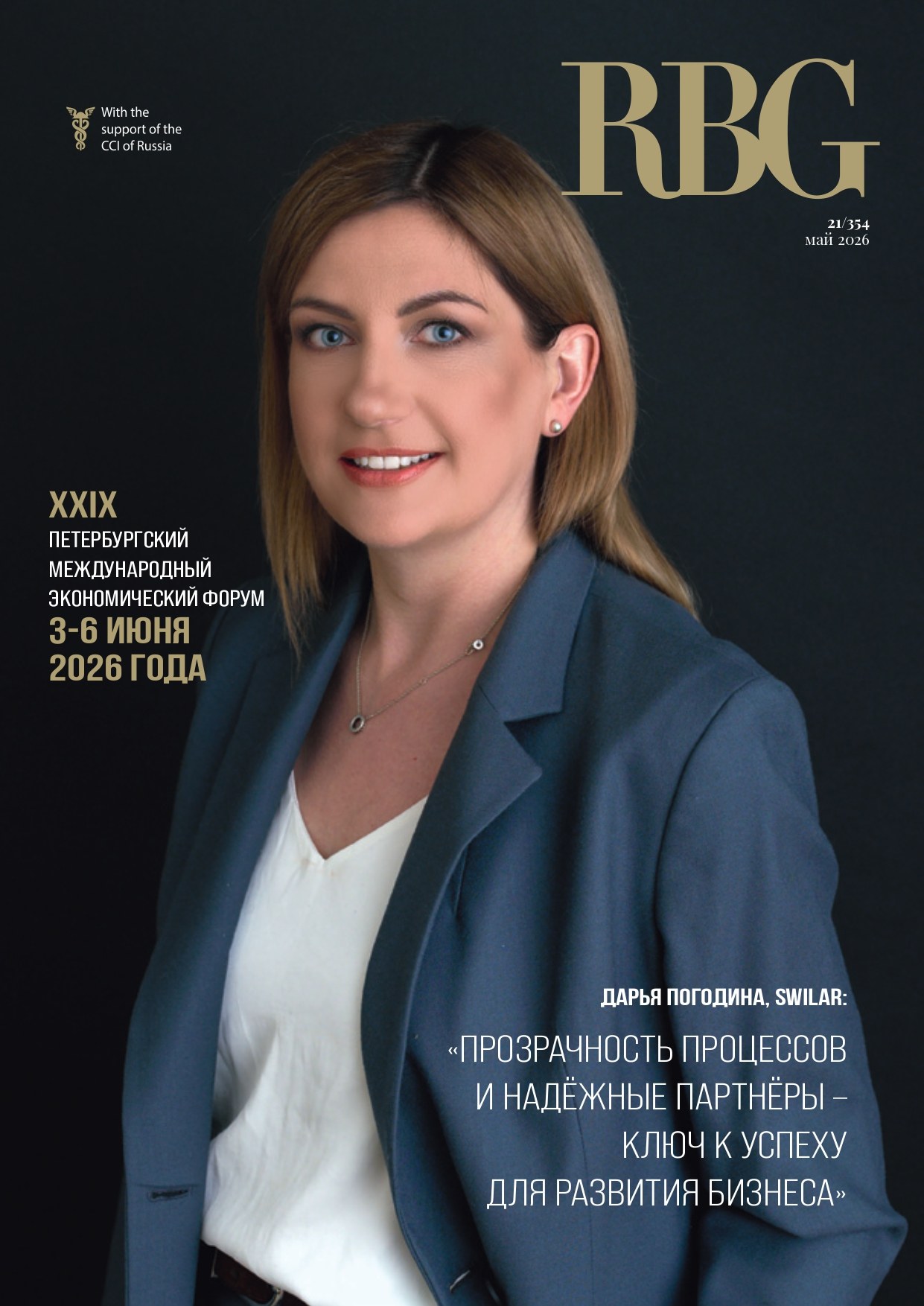
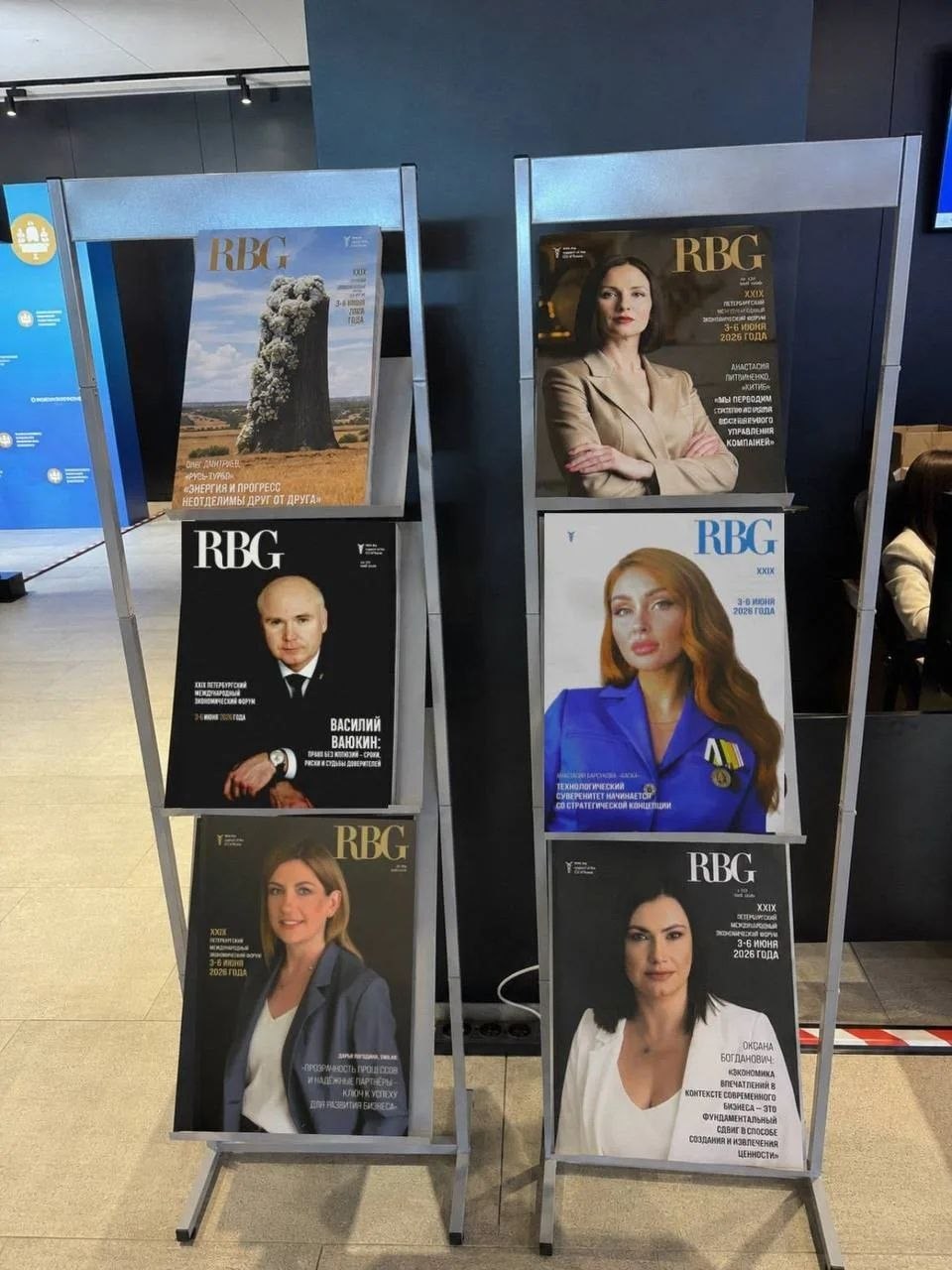
Swilar on the cover of the May issue of Russian Business Guide at the 29th St. Petersburg International Economic Forum
This year, the Swilar Group of Companies celebrates its 15th anniversary. We marked this milestone with an in-depth interview for Russian Business Guide: its May issue was released for the 29th St. Petersburg International Economic Forum. The cover of the issue features Daria Pogodina, Managing Partner of the Swilar Group of Companies.
In the interview, she spoke about the company’s journey and how Swilar has developed into a consulting group over the years. A key feature of our approach is the close integration of legal, accounting, and financial practices. We built a “one-stop shop” model so that clients receive not fragmented advice, but comprehensive and viable solutions.
Special attention was also given to working with the SME segment: its specific characteristics, typical mistakes companies make when entering the Russian market, and service standards that turn a one-time interaction into a long-term partnership.
Read the full interview in the May issue of Russian Business Guide magazine, No. 21/354.
Other news
Tags are omitted or the field is empty
Law on the State Language 2026: what has changed for business
Dear colleagues,
we would like to draw your attention to the fact that Federal Law No. 168-FZ dated June 24, 2025 “On Amendments to Certain Legislative Acts of the Russian Federation” came into effect on March 1, 2026 (hereinafter referred to as Federal Law No. 168-FZ) and requires businesses to use Russian on all signs, signposts, boards, as well as on websites and in apps.
The state languages of the republics, other languages of the peoples of the Russian Federation and foreign languages may be used additionally, provided that the following conditions are met: identity of content and equivalence of placement and technical design (font, colour, size).
The following may remain untranslated into Russian:
• registered trademarks and service marks. If your logo is a trademark registered with the Russian Federal Service for Intellectual Property, it does not need to be changed. Otherwise, the logo must either be translated into Russian or duplicated in Russian as the primary language, subject to the above conditions;
• company names entered in the Unified State Register of Legal Entities.
Liability for non-compliance with Federal Law No. 168-FZ is provided for in Article 14.8 of the Code of Administrative Offences of the Russian Federation. Violation of the consumer’s right to receive necessary and reliable information about the goods, works, services, manufacturer, seller, contractor and their operating hours entails a warning or an administrative fine:
• for officials – from RUB 500 to RUB 1,000;
• for legal entities – from RUB 5,000 to RUB 10,000.
Compliance with these requirements is monitored by the Federal Service for the Oversight of Consumer Protection and Welfare, local administrations and the prosecutor’s office (based on complaints from citizens).
In this regard, businesses are advised to:
• audit all signs, signposts, websites, apps and other materials;
• register a trademark if it is necessary to retain a name in a foreign language (the process takes about a year);
• prepare duplicate Russian versions in compliance with the formatting rules or replace foreign words with Russian-language versions;
• adjust marketing and advertising processes.
We will be glad to assist you in analyzing your websites for compliance with Federal Law No. 168-FZ for the purpose of their subsequent Russification (if necessary).
Submit a request
Other news

28.07.2026
Amendments to the regulation of transactions with persons from unfriendly countries
29.06.2026
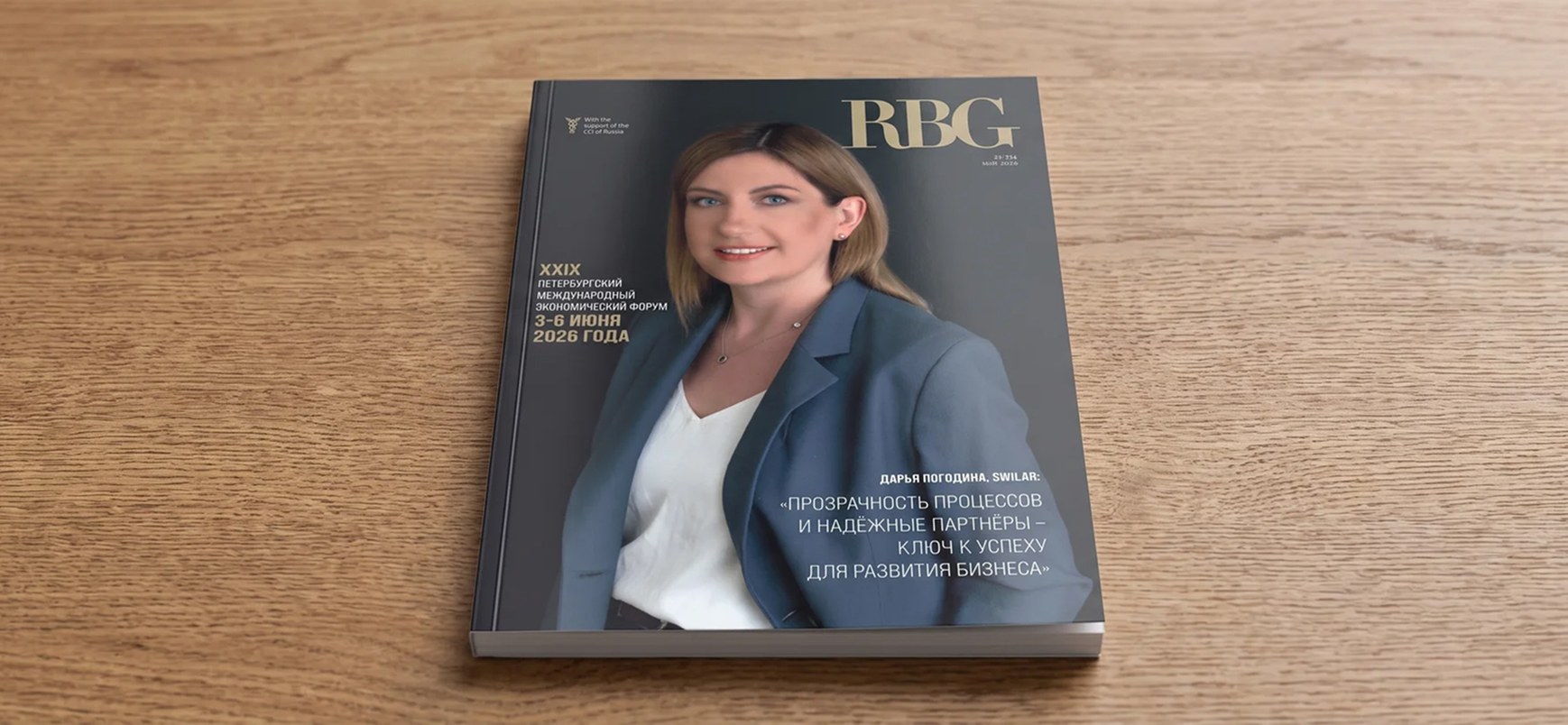
Swilar on the cover of the May issue of Russian Business Guide at the 29th St. Petersburg International Economic Forum
In Saint Petersburg, Leading Market Experts United to Equip SMEs with Tools for Protection and Growth in 2026
April 27, 2026, Saint Petersburg — A large-scale conference for small and medium-sized business representatives titled «SMEs – 2026: New Challenges, Risks and Opportunities. How to Protect Assets, Manage Risks and Find Financing» took place at the Saint Petersburg Chamber of Commerce and Industry (SPb CCI). The event was organized by insurance company Turicum, consulting agency Swilar, investment company Rikom-Trust, and auditing firm Sternhoff Audit.
The event opened with a welcome address from SPb CCI Vice President Anastasia Dedul, who emphasized the strategic importance of systematic support for the SME sector as a key driver of the region’s economic development.
«Today, small and medium-sized businesses are not only the foundation of the urban economy’s stability, but also a space for growth, cooperation, and the introduction of new solutions. The mission of SPb CCI is to create conditions under which entrepreneurs gain access to practical development tools, build partnerships, and find answers to pressing challenges. We also pay close attention to the protection and registration of intellectual property rights, as well as the formation of sound contractual practices — including the use of arbitration clauses with reference to the ICAC branch at the RF Chamber of Commerce and Industry in Saint Petersburg, which helps reduce legal risks and improve the predictability of business interactions,» said Anastasia Dedul.
Key Topics and Practical Solutions.
Leading experts in finance, insurance, and investment offered participants not just an analysis of the current situation, but clear, step-by-step tools for protecting and growing their businesses in challenging economic conditions.
Specialists from insurance company Turicum examined new corporate risk schemes and asset insurance methods. Consulting agency Swilar presented crisis management algorithms, while Rikom-Trust experts spoke about real financing opportunities despite the tight monetary policy environment. Sternhoff Audit auditors, in turn, focused on tax security and ways to minimize claims from regulatory authorities.
The conference confirmed strong demand from the business community for bringing together the expertise of insurers, lawyers, auditors, and investors. Following the event, the organizers announced the release of methodological guidelines and the launch of a series of practical seminars for business owners.
- Thuricum Insurance Company — specialization: comprehensive business and corporate asset protection programs.
- Swilar Consulting Agency — strategic and management consulting for SMEs.
- Ricom-Trust Investment Company — sourcing and attracting financing, deal structuring.
- Sterngoff Audit — auditing, tax consulting, and accounting outsourcing.
- Saint Petersburg Chamber of Commerce and Industry — a key infrastructure platform for dialogue between business, financial institutions, and government authorities.
Submit a request
Other news
29.06.2026
Swilar on the cover of the May issue of Russian Business Guide at the 29th St. Petersburg International Economic Forum

25.06.2026
New review of the Supreme Court of the Russian Federation No. 8/2026: Risks in settlements and transactions with unfriendly foreign counterparties
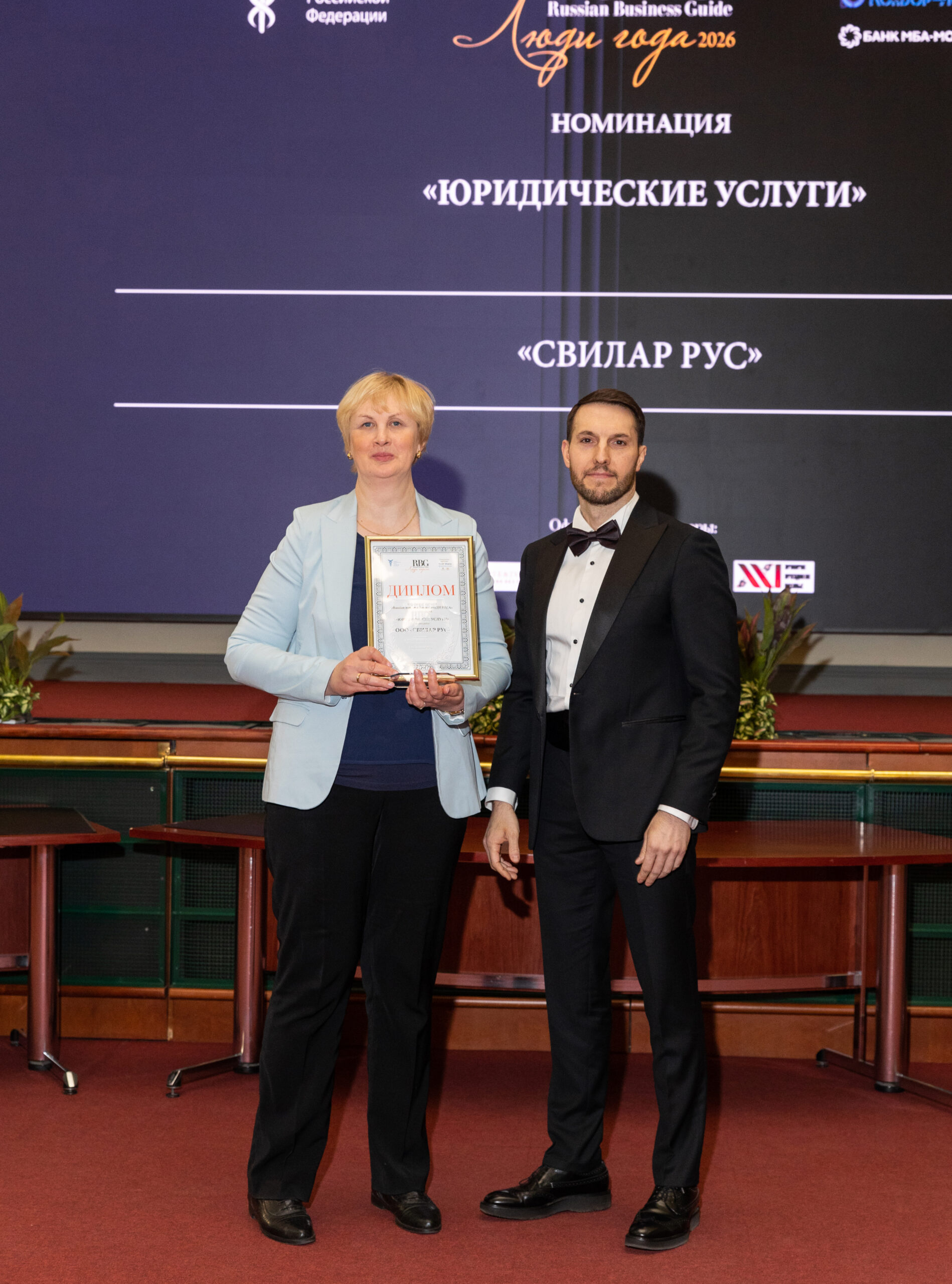
March 26, 2026 – Winner in the “Legal Services” category at the annual Russian Business Guide. People of the Year Award
On March 26, the Congress Centre of the Chamber of Commerce and Industry of the Russian Federation in Moscow hosted the annual awards ceremony of the Russian Business Guide. People of the Year. Over its 8 years of existence, the award has gained wide recognition and strong support within the entrepreneurial community, becoming a prestigious accolade for Russian business and making a significant contribution to the promotion and support of the business community.
The status of the award is recognized both in Russia and abroad.
Last year, the Swilar team won the award in the “HR and Outsourcing Services” category.
This year we have become the winner in the “Legal Services” category. This recognition rightly reflects successful performance of our legal practice which is highly appreciated both by our clients and partners. We are proud of this award and congratulate our colleagues!
Submit a request
Other news
28.07.2026
Amendments to the regulation of transactions with persons from unfriendly countries
29.06.2026
Swilar on the cover of the May issue of Russian Business Guide at the 29th St. Petersburg International Economic Forum
Holding of Annual General Meetings of LLC Participants in 2026
Dear colleagues,
we would like to draw your attention that in accordance with the Article 34 of the Federal Law No. 14-FZ dated February 8, 1998 “On Limited Liability Companies” the regular (annual) general meeting of participants of an LLC to approve the results of the previous year (annual reports and annual accounting (financial) statements) is to be held in the period from March, 1 to April, 30, 2026.
Non-holding of the meeting within the specified period may result in penalties. According to the Clause 11 of the Article 15.23.1 of the Code of Administrative Offences of the Russian Federation an unlawful refusal to convening a meeting or evasion of convening a general meeting, as well as violation of requirements for the procedure of convening, preparing and holding general meetings of LLC participants, entails the imposition of a fine. For officials (general directors) the fine ranges from 20,000 to 30,000 rubles; for legal entities it ranges from 500,000 to 700,000 rubles.
As we have previously informed you the legislation prohibits holding the regular general meeting of participants in absentia. However, it is permitted to hold such a meeting by combining absentee ballots and an in-person meeting (i.e., with the physical presence of at least one of the participants).
We will be glad to support you in preparing and holding a regular meeting to approve the annual results by the general meeting of LLC participants, as well as to prepare the corresponding minutes of meeting or the resolution of the sole participant of the company.
Submit a request
Other news
28.07.2026
Amendments to the regulation of transactions with persons from unfriendly countries
29.06.2026
Swilar on the cover of the May issue of Russian Business Guide at the 29th St. Petersburg International Economic Forum
Environmental Fee: what changed since January 1, 2026 and what business should expect
Dear colleagues,
Last autumn we provided you with the overview of the current regulation and upcoming changes regarding environmental fee reporting and payment terms – more information can be found here.
As a reminder, one of the changes we recommend monitoring was the entry into force since 01.01.2026 (Article 24.5 of the Federal Law No. 89-FZ dated June 24, 1998 “On Environmental Fee”) of the obligation for importers to ensure the recycling of waste from the use of goods:
- for imports from EAEU countries – from the day the goods are recognized
- for imports from countries outside the EAEU – before the day of release by the customs authority for domestic consumption.
Good news: on December 31, 2025 the Federal Law No. 495-FZ dated December 28, 2025 “On Amending Article 29¹ of the Federal Law “On Production and Consumption Waste” and Certain Legislative Acts of the Russian Federation” came into force. This law postponed the enactment of the new rules until 01.01.2028.
More details of the changes
The adopted law alters the timeline for the environmental fee reform and implemented a key proposal from the draft law by the Russian Ministry of Natural Resources published on 20.10.2025 (which we covered in our previous overview): the transitional provisions for importers from countries outside the EAEU have been extended by two years – until January 1, 2028 (instead of the originally set date of January 1, 2026).
Therefore, this year the submission of reports and payment of the environmental fee should be carried out according to the usual terms.
However, the adopted law did not implement all proposals included in earlier versions of the draft.
In this regard, we recommend continuing to monitor potential changes amidst the ongoing discussions between the regulator, business and relevant ministries.
What needs to be done in any case? Reporting and terms for the environmental fee payment for 2025.
The Federal Service for Supervision of Natural Resources (Rosprirodnadzor) has reminded of the terms for submitting environmental fee reports and making payments for 2025.
By April 15, 2026 manufacturers and importers of goods and packaging subject to recycling are to submit their environmental fee reports to Rosprirodnadzor and pay the environmental fee for 2025.
We would like to remind you that the List of goods and packaging, the waste from which is subject to recycling, was approved by the Russian Government Decree No. 2414 dated December 29, 2023.
Furthermore, it is important to note that the environmental fee is not included in the Unified Tax Payment (UTP) and must be paid separately.
List of required reports:
- Report on the weight of goods and packaging (form of the Appendix 1 to the Rules approved by the Russian Government Decree No. 741 dated May 31, 2024).
- Report on self-executed recycling (form of the Appendix 1 to the Rules approved by the Russian Government Decree No. 742 dated May 31, 2024). This report is submitted only if the company performs the recycling itself.
- Calculation of the environmental fee amount (form of the Appendix 1 to the Rules approved by the Russian Government Decree No. 1990 dated December 30, 2024).
All listed forms are to be submitted in electronic form. The authority recommends using the personal account of natural resource user for this purpose.
We will be glad to answer your questions.
Submit a request
Other news
28.07.2026
Amendments to the regulation of transactions with persons from unfriendly countries
29.06.2026
Swilar on the cover of the May issue of Russian Business Guide at the 29th St. Petersburg International Economic Forum
Dear colleagues, Please accept our sincere congratulations on the upcoming New Year and Christmas!
Dear colleagues,
Please accept our sincere congratulations on the upcoming New Year and Christmas!
May the coming year bring new achievements, harmony and professional success!
We wish you and your loved ones happiness, health and prosperity!
Thank you for your trust, support, and productive cooperation!
With best wishes,
Your swilar team
Other news
29.06.2026
Swilar on the cover of the May issue of Russian Business Guide at the 29th St. Petersburg International Economic Forum
25.06.2026
New review of the Supreme Court of the Russian Federation No. 8/2026: Risks in settlements and transactions with unfriendly foreign counterparties
Environmental fee in 2025-2027: what awaits business and how to avoid fines
Dear colleagues,
In response to numerous inquiries from companies about the environmental fee and the active changes in this area expected in 2025-2026, we have prepared an overview of the topic to help you understand some key aspects.
The environmental fee and related reporting represent a system that reflects the responsibility placed on manufacturers and importers to consider the fate of their goods and packaging after they have served their term. The system is becoming more complex, the rates are increasing and control is tightening. We examine the upcoming changes and their implications for companies.
Who is liable?
The following entities are required to pay the environmental fee and submit reporting:
- Manufacturers of goods and packaging released within the territory of the Russian Federation.
- Importers bringing goods and packaging from abroad.
- Disposal companies, if they take on the responsibility of meeting disposal standards.
Important: the obligation arises for the entity that first releases the goods or packaging on the market in the Russian Federation, provided that the goods or packaging are included in the relevant List. The environmental fee is calculated considering the standards.
What changes take effect in 2025
1. Significant rate increase
The Government has approved new base rates for the environmental fee for 2025–2027 (Resolutio No. 1041 dated August 1, 2024). Compared to 2024, the rates will increase by 15% in 2025, with further planned increases in subsequent years.
- Example for tires and rubber:
- 2025 — 10,310 RUB/tonne
- 2026 — 11,135 RUB/tonne
- 2027 — 11,580 RUB/tonne
- Example for textile products:
- 2025 — 18,750 RUB/tonne
- 2026 — 20,250 RUB/tonne
- 2027 — 21,060 RUB/tonne
Furthermore, the Ministry of Natural Resources has already prepared a new draft resolution that starting from 2026 could introduce even higher rates (e.g., for textiles — up to 89,184 RUB/tonne). This indicates a sustained trend of increasing environmental compliance costs.
How to calculate? In its inquiries the Federal Service for Supervision of Natural Resources refers to data from customs declarations. These declarations contain information about the goods, including weight, codes and volumes. All this data is automatically compared.
Data required for calculating the environmental fee:
- Manufacturers of goods – a list of goods indicating the code in accordance with the Russian Classification of Products by Economic Activities (OKPD2), product name, the weight of all manufactured products.
- Importers – the customs declaration which specifies the HS code of the imported goods, the packaging code in most cases and the gross and net weights.
2. Tightening of the rules for importers from 2026.
From 1 September 2024 to 31 December 2025 a special experimental regime will apply to certain types of goods: reporting and payment of environmental fee should be completed before the date of their release by the customs authorities for domestic consumption.
The current version of the law stipulates that upon completion of the experiment (from 01.01.2026), these rules will become mandatory for all importers (the Article 24.5. Environmental Fee of the Federal Law No. 89-FZ dated 24.06.1998).
The obligation to ensure the recycling of waste from the use of goods will arise for the importer of goods:
- for imports from EAEU countries – from the day the goods are recognized.
- for imports from countries outside the EAEU – before the day of release by the customs authority for domestic consumption!
An alternative may be to submit a notification of intent to dispose of the waste independently or to provide a bank guarantee or surety agreement from the disposal company for the amount of the fee (the term of the guarantee or surety agreement shall not be earlier than 15 October of the following year).
The good news is that legislators are considering extending the experimental regime – see the draft of the Federal Law (prepared by the Russian Ministry of Natural Resources). The ministry has proposed extending the experiment on the payment of environmental fees prior to the submission of customs declarations for another year, as well as easing the conditions for paying the fees prior to the submission of declarations (within 90 days after the release of goods).
The bill was submitted on 20 October 2025 – we recommend monitoring the progress of this initiative.
Liability: risks and fines
The risks should not be underestimated. The Federal Service for Supervision of Natural Resources actively employs a system of cross-checks, comparing data from companies’ reports with information from customs declarations and other state databases.
The fines for violations are substantial:
- For failure to submit or late submission of reports: for legal entities — from 70,000 to 150,000 RUB.
- For inaccurate data in reports: the fine for legal entities is twice the amount of the fee (but not less than 250,000 RUB).
- For missing payment deadlines or non-payment of the fee: the fine for legal entities is three times the unpaid amount (not less than 500,000 RUB).
Who is exempt from payment?
Payment is not required, but reporting is still mandatory if:
- The goods are for export.
- They are used as raw materials or components for manufacturing other goods.
- The recycling target has already been met (independently or through an accredited recycling operator).
Manufacturers and importers who recycle their products are subject to special statistical waste management reporting. This is the annual form 2-TP (waste).
Practical recommendations for business
- Audit. Verify whether your goods and packaging are included in the current list (Government Resolution No. 2414 dated December 29, 2023).
- Be proactive. If you receive a letter from The Federal Service for Supervision of Natural Resources, it is advisable to comply with the requirement within the specified deadline (submit the report, pay the fee) and only then challenge their position. A delay results in an automatic fine.
- Remember the deadlines for 2025:
- Submit reports — by April 1, 2026.
- Pay the environmental fee — by April 15, 2026.
Important: If April 15 falls on a weekend or holiday, the fee should be paid before this date. The deadline is not extended to the next business day.
Conclusio
The environmental fee is no longer a formality but have become a significant expense and a serious regulatory risk for businesses. Rising rates and tighter controls signal that it is time to build a transparent system of environmental reporting and waste disposal. Those who do so now will not only avoid multimillion fines, but also lay the foundation for sustainable development in the new economic reality.
Submit a request
Other news
28.07.2026
Amendments to the regulation of transactions with persons from unfriendly countries
29.06.2026
Swilar on the cover of the May issue of Russian Business Guide at the 29th St. Petersburg International Economic Forum
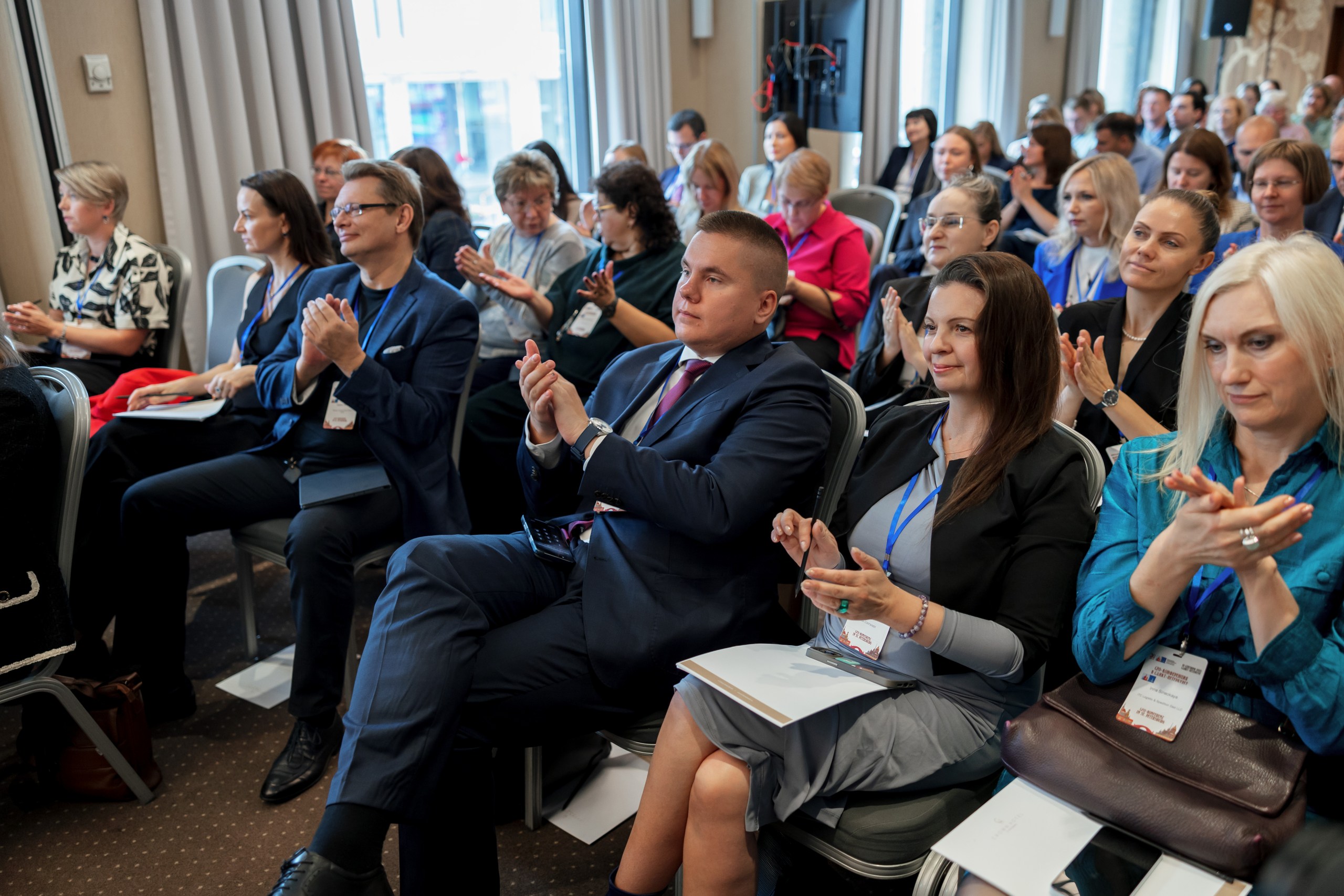
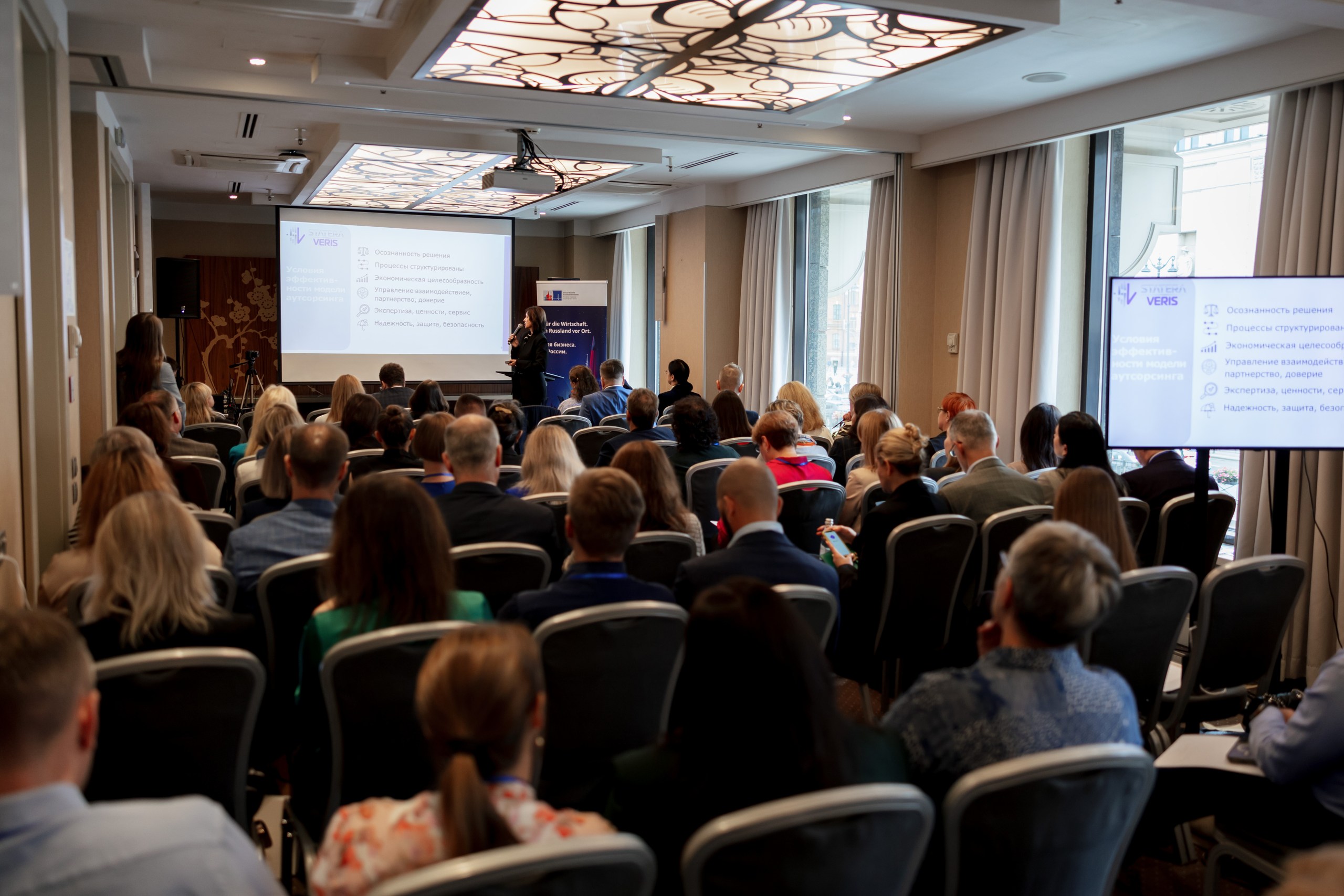
Swilar expert spoke at the CFO Conference in St. Petersburg on tax optimisation
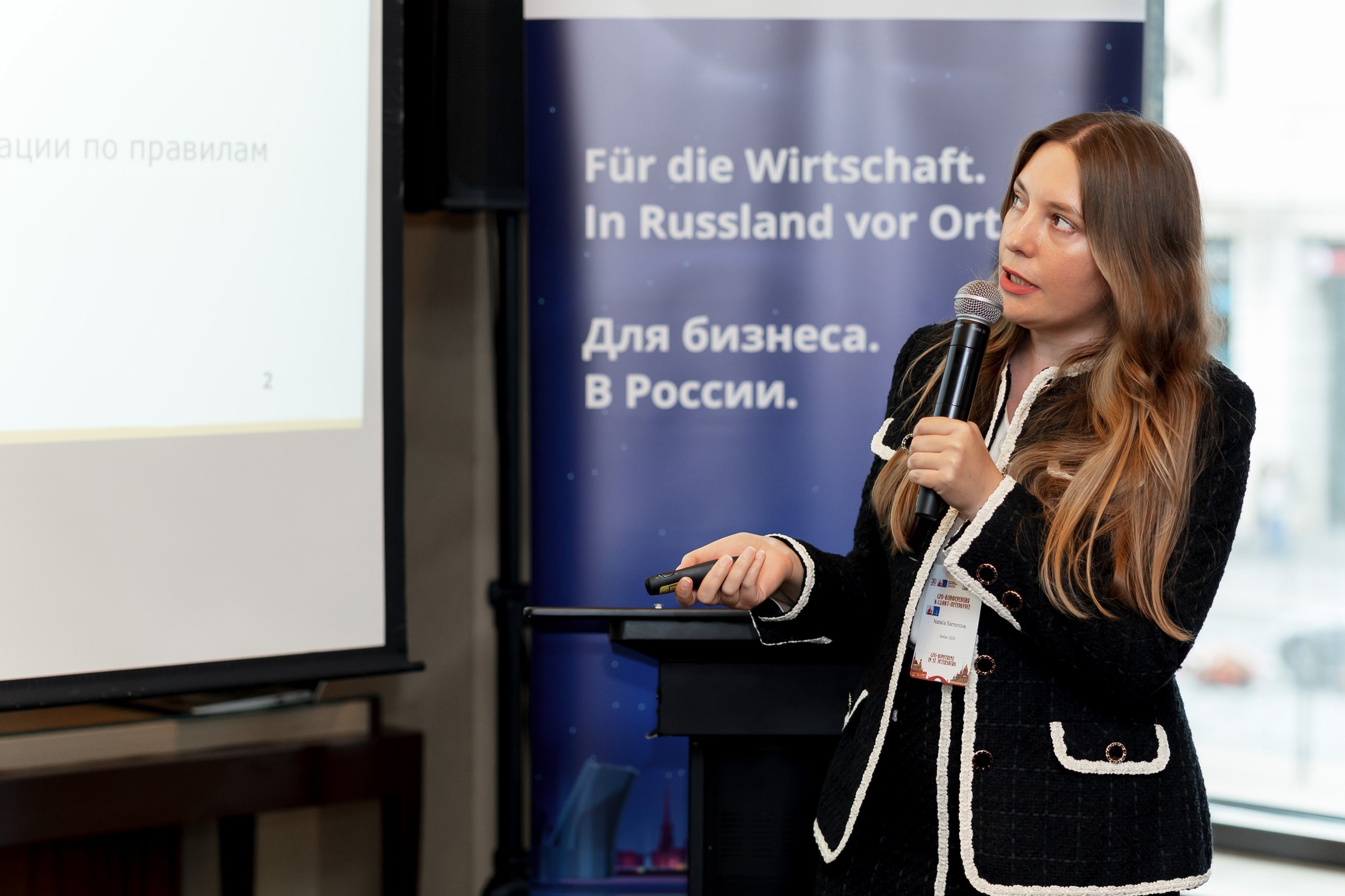
At the end of September, St. Petersburg hosted a CFO Conference that brought together finance directors and senior executives to discuss current issues in financial management. Swilar was represented by Natalia Samonova, Head of Controlling Projects, who delivered a talk on tax optimisation and government support for business.
Natalia covered lawful methods to reduce the tax burden and leverage state support measures, highlighted typical mistakes companies make when modelling tax expenses, and shared practical optimisation techniques, with special attention to criteria for choosing an effective tax regime.
A separate section of the presentation focused on opportunities offered by Special Economic Zones (SEZs) and Territories of Advanced Development (TADs). The expert outlined available tax incentives, entry conditions, and key pitfalls to consider.
In conclusion, Natalia Samonova emphasized there is no one-size-fits-all solution in tax optimisation: “An effective structure is the one that best matches a company’s specific goals and parameters.” She demonstrated approaches to assessing efficiency with illustrative calculations.
Swilar has many years of expertise in financial advisory and cost-management systems, including practical experience with SEZs and TADs. If you need assistance in selecting the optimal tax regime or evaluating the potential of government support for your business, we will be glad to advise you.
Other news
29.06.2026
Swilar on the cover of the May issue of Russian Business Guide at the 29th St. Petersburg International Economic Forum
25.06.2026